Mens Jewellery That Refines Personal Style
A signet ring worn daily. A fine chain sitting neatly beneath an open collar. A bracelet that catches the light without asking for attention. Men's jewellery works best when it feels intentional - not excessive, not performative, simply well chosen. The right piece does more than complete an outfit. It gives shape to personal style and often becomes part of a man’s signature.
There has been a clear shift in how jewellery is worn by men, but the most interesting change is not about trend. It is about confidence. Fine jewellery is now less confined to occasion dressing and more naturally folded into everyday wardrobes. For some, that means a single gold band or pendant. For others, it means layering metals, textures and silhouettes with a sharper fashion eye. Both approaches work. What matters is proportion, craftsmanship and a sense of authenticity.
Why men's jewellery matters now
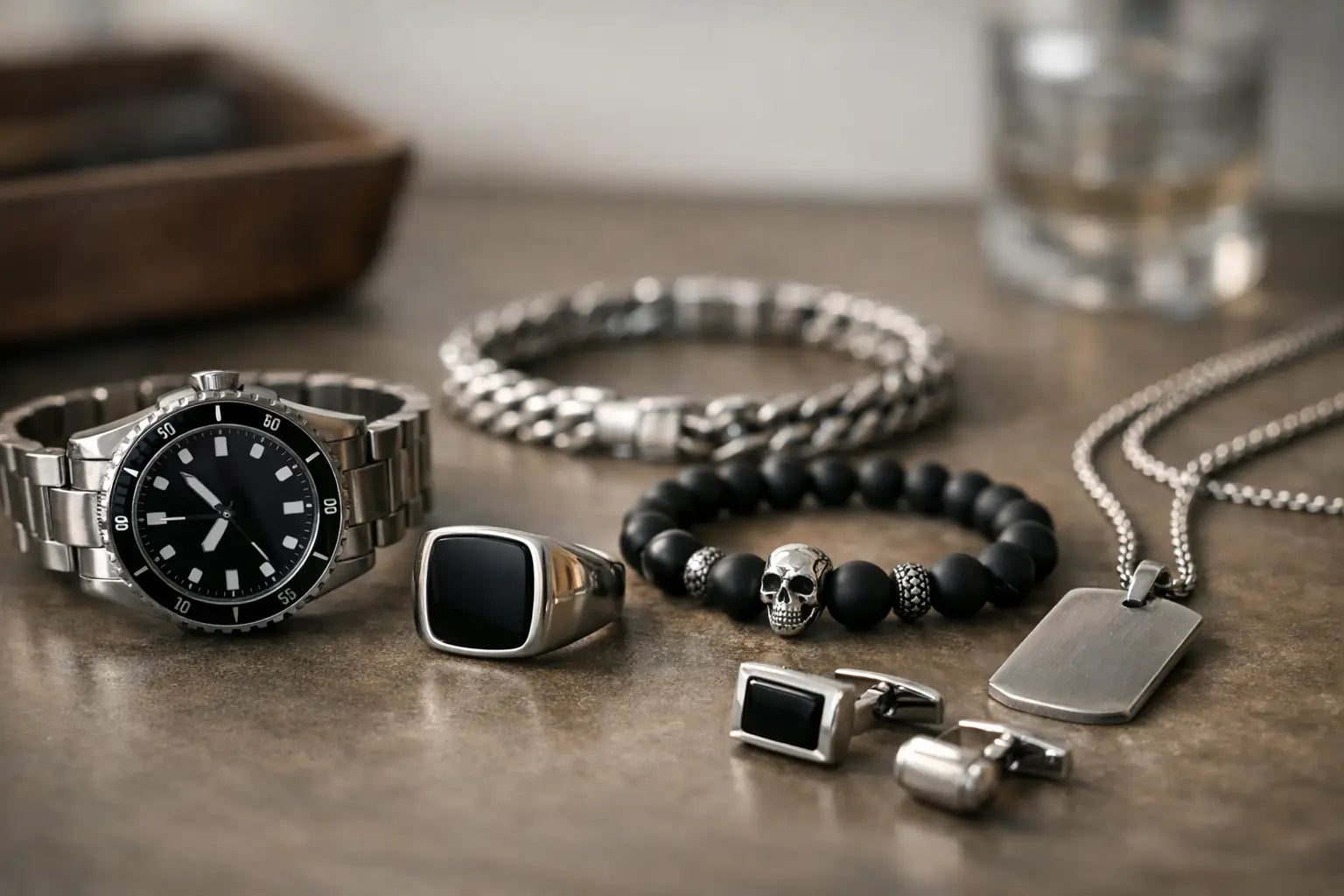
Men's jewellery has moved beyond the old idea of being either purely symbolic or reserved for formal wear. Today, it sits in the same space as a fine watch or well-made shoes - a detail that signals discernment. It can mark a milestone, nod to heritage, honour a relationship or simply add polish to the way someone presents themselves.
That does not mean every piece needs emotional weight. Some jewellery is chosen because it looks exceptional with tailoring. Some because it softens a more minimal wardrobe. Some because sterling silver feels cooler and cleaner, while yellow gold brings warmth to the skin. Fine jewellery has room for sentiment and style in equal measure.
This is also why material matters. Precious metals age with grace, hold their appeal and offer a more elevated finish than costume alternatives. A well-crafted ring in 9ct or 18ct gold, a platinum band, or a sterling silver chain has a permanence that suits modern dressing. These are pieces to live in, return to and build around.
Choosing men's jewellery with purpose
The smartest way to choose jewellery is to start with how it will be worn, rather than chasing a look in isolation. A man who wears suiting most days may gravitate towards cleaner lines and quieter surfaces. Someone with a more relaxed wardrobe might prefer chunkier profiles, layered chains or a diamond accent that adds a sharper edge.
Scale is where many choices are won or lost. Jewellery should feel in balance with the wearer and with the wardrobe around it. A heavy curb chain can look commanding with a plain knit or T-shirt, but it may feel too dominant under a fine shirt collar. Equally, a very slight bracelet may disappear on a broader frame. Refinement does not always mean minimal. It means proportion is doing its job.
Finish also changes the mood of a piece. High polish reads crisp and formal. Brushed or matte finishes feel more understated and contemporary. Diamond-set details can be striking, but they require confidence and should sit comfortably with the rest of the styling. If the aim is versatility, begin with clean metal pieces and let any stone-set design act as a focal point.
The foundation pieces in men's jewellery
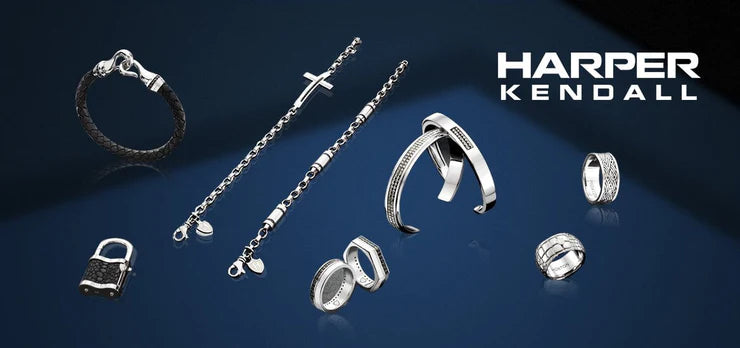
Rings are often the easiest place to begin because they feel natural and personal. A signet ring remains one of the strongest choices in fine jewellery for men. It carries history, but it also looks modern when pared back and worn without fuss. Plain bands, meanwhile, offer a simpler route into everyday jewellery and can be stacked subtly or worn alone.
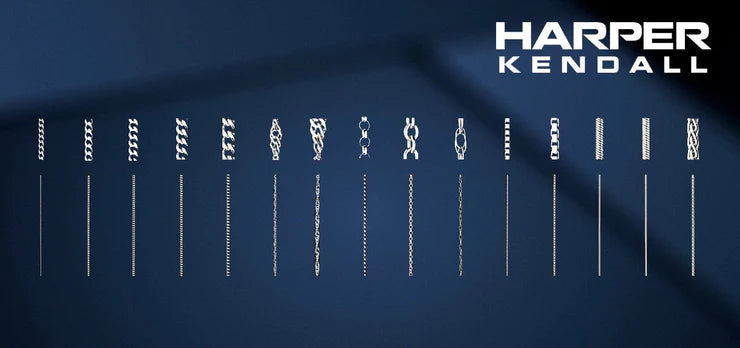
Chains and necklaces bring a different kind of presence. They frame the neckline, draw attention to the face and can be styled in ways that are either discreet or directional. A fine chain worn under a shirt is elegant and restrained. A slightly heavier chain over knitwear has more attitude. Add a pendant and the piece takes on identity, whether symbolic, spiritual or purely aesthetic.
Bracelets offer flexibility. A slim precious metal bracelet can sharpen business dress without feeling overt, while a bolder link style creates contrast against soft fabrics and casual layers. Bangles can work beautifully too, particularly in polished gold or silver, though they tend to suit wearers who prefer jewellery to make a clearer statement.
Earrings are more individual, but when chosen well they can look exceptionally refined. A single small hoop, a classic stud or a diamond accent can feel clean and assured rather than theatrical. Here, restraint is often the difference between style and excess.
Gold, silver and platinum - what changes the look?
Metal choice shapes everything. Yellow gold has richness and warmth, and it pairs beautifully with earth tones, navy, black and cream. It can read classic or fashion-led depending on the design. In men's jewellery, yellow gold often feels especially strong in rings, signets, pendants and traditional chain styles.
Sterling silver has a cooler, sharper character. It suits monochrome wardrobes, grey tailoring and cleaner modern silhouettes. Silver can also feel more understated in larger designs, which makes it attractive for men who want presence without too much visual weight.
Platinum sits in a category of its own. Its tone is subtle, its finish is sophisticated and its durability makes it particularly compelling for rings and pieces intended for constant wear. It does not shout, which is precisely its appeal. For many men, platinum offers the most discreet expression of luxury.
Mixing metals is no longer off limits, but it does require judgement. If a watch case, ring and bracelet all differ slightly in tone and finish, the result can feel fragmented. Mixing works best when there is one dominant metal and the others play a supporting role.
How to style men's jewellery without overworking it
The most elegant styling rarely depends on quantity. One or two pieces worn consistently can be more distinctive than a full set rotated without thought. A ring and chain. A bracelet and wedding band. A pendant and small hoop. When jewellery has a clear role, it appears considered.
Clothing should guide the styling. Sharp tailoring tends to suit cleaner pieces with tighter profiles. Open-neck shirts invite chains and pendants. Heavier outerwear can take more substantial bracelets and rings. If an outfit already has bold pattern or strong texture, jewellery often works best when it brings calm rather than more noise.
There is also the question of occasion. Everyday jewellery should be comfortable, low maintenance and easy to wear without constant adjustment. Evening dressing allows for more drama - a diamond-set ring, a brighter polish, a heavier chain. Neither approach is better. It depends on whether the intention is quiet distinction or visible impact.
Investment, gifting and bespoke design
Fine jewellery often enters a wardrobe through a meaningful moment. A birthday, promotion, anniversary or wedding naturally lends itself to a piece with permanence. Men's jewellery is especially compelling as a gift because it combines sentiment with practicality. A well-chosen ring, bracelet or necklace can become part of daily life, not something left in a box for rare occasions.
This is where bespoke design can hold particular value. Personalisation does not need to mean excess detail. It may be as simple as refining the proportions of a signet ring, selecting a preferred metal, adding an engraving or creating a pendant with a specific motif. The most successful bespoke pieces feel deeply personal while remaining timeless enough to wear for years.
For a premium jewellery house such as Harper Kendall, that balance between individuality and refinement is central. A bespoke piece should reflect the wearer, but it should also honour craftsmanship, wearability and enduring design.
Care is part of the luxury
Even the finest jewellery benefits from proper care. Gold and platinum are resilient, but daily wear leaves its mark. Silver may require more frequent attention to maintain its brightness. Chains should be stored thoughtfully to avoid tangling, rings benefit from occasional professional checks, and diamond-set styles deserve a little extra care to keep their brilliance at its best.
There is something appealing in that maintenance. Jewellery is not static. It lives with the wearer, develops character and occasionally asks for attention in return. That relationship is part of what makes fine pieces worth choosing in the first place.
Men's jewellery is at its best when it feels like a natural extension of the man wearing it - refined, individual and quietly assured. Choose pieces with intention, wear them with ease, and they will do what the best design always does: say more with less.