How to Buy Fine Jewellery With Confidence
A fine jewellery purchase often begins with a feeling before it becomes a decision. You see a ring that sharpens your everyday wardrobe, a pendant that marks a milestone, or a diamond bracelet that feels quietly decisive rather than overly formal. Knowing how to buy fine jewellery means balancing that instinctive pull with a clear understanding of craftsmanship, materials and wearability, so the piece you choose feels as right in five years as it does on the day it arrives.
Fine jewellery should never feel like guesswork. Whether you are choosing for yourself, marking an engagement, planning a gift, or investing in a future heirloom, the best purchases sit at the intersection of beauty and judgement. The design has to speak to you, but the details matter just as much.
How to buy fine jewellery without second-guessing
The smartest starting point is not the gemstone or even the metal. It is the role the piece will play in your life. A necklace worn daily needs different priorities from a cocktail ring reserved for evenings, and a wedding band demands a different balance of comfort and durability than an occasional statement earring.
When buyers feel uncertain, it is often because they start too broadly. Fine jewellery is a wide category, from delicate chains and diamond pendants to platinum rings and bespoke commissions. Narrowing the purpose first gives the rest of the decision structure. Ask yourself whether you want an everyday signature, a celebratory piece, a gift with sentimental meaning, or something designed to become part of your long-term collection.
That distinction affects everything that follows. Daily wear usually calls for practical elegance - secure settings, versatile proportions and a metal suited to regular contact with skin, clothing and surfaces. Occasion pieces allow for more drama, scale and stylistic risk.
Start with design, then test it against lifestyle
A beautiful design is only successful if it works with the way you actually dress. Fine jewellery should elevate your wardrobe, not sit in a box because it felt right in the moment but not in reality.
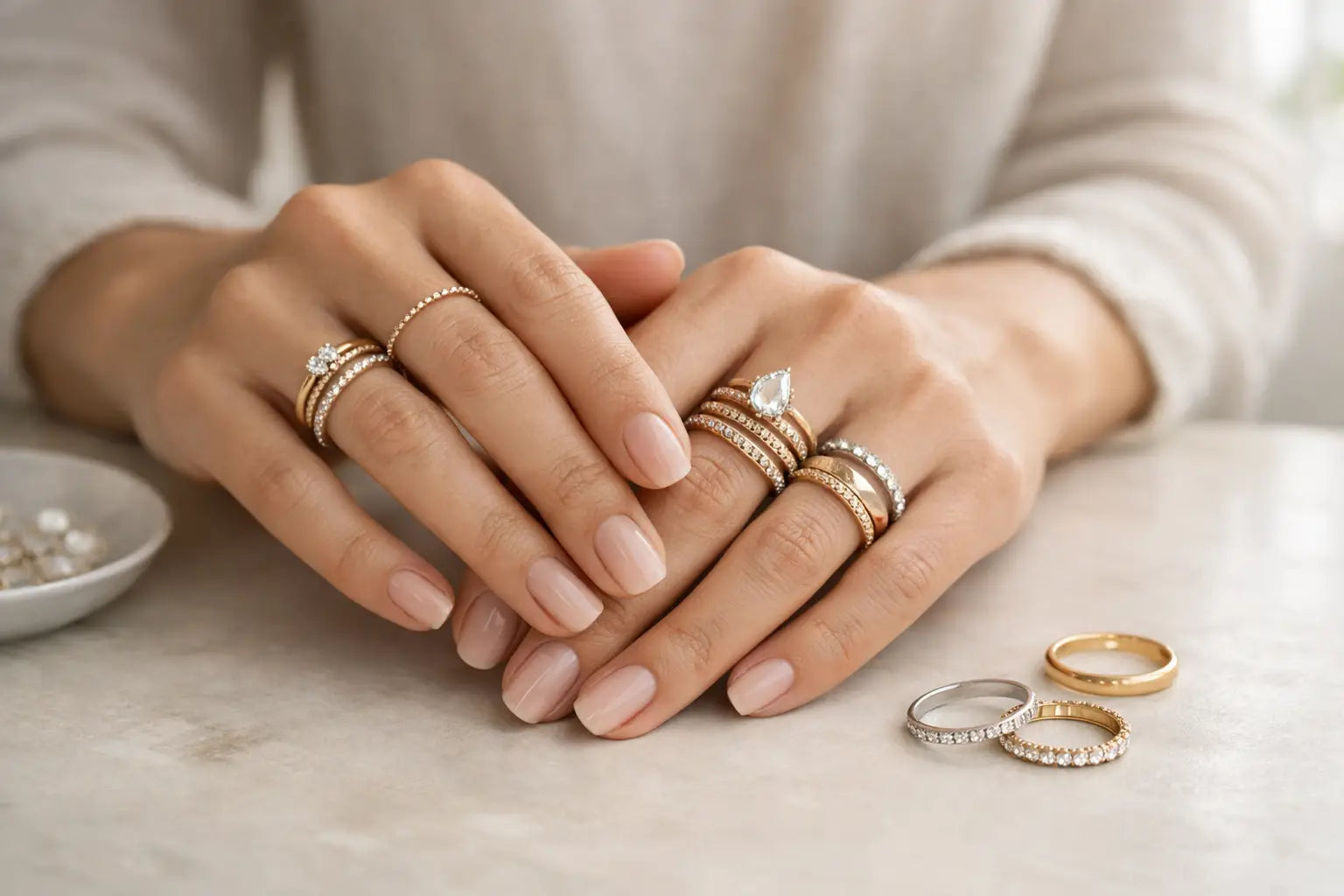
If your style is minimal, sculptural gold, clean diamond line pieces and refined chains tend to have longevity. If you dress with more contrast and personality, layered necklaces, bold signet rings, statement earrings or diamond-set styles may feel more authentic. The point is not to follow rules. It is to recognise your visual language and buy in a way that strengthens it.
This is where proportion matters. A slender bracelet can feel effortlessly polished for everyday wear, while a heavier bangle creates more presence. Stud earrings often become wardrobe foundations, while drops and hoops can shift a look more noticeably. In fine jewellery, subtle differences in scale can completely change how luxurious or wearable a piece feels.
There is also an emotional dimension. Some clients want timeless restraint. Others want individuality that cannot be mistaken for anyone else’s. Neither instinct is better. The stronger choice is the one that feels aligned with your life and taste rather than with passing fashion.
Understanding precious metals
One of the clearest parts of learning how to buy fine jewellery is understanding the metal you are choosing, because metal shapes appearance, durability, maintenance and mood.
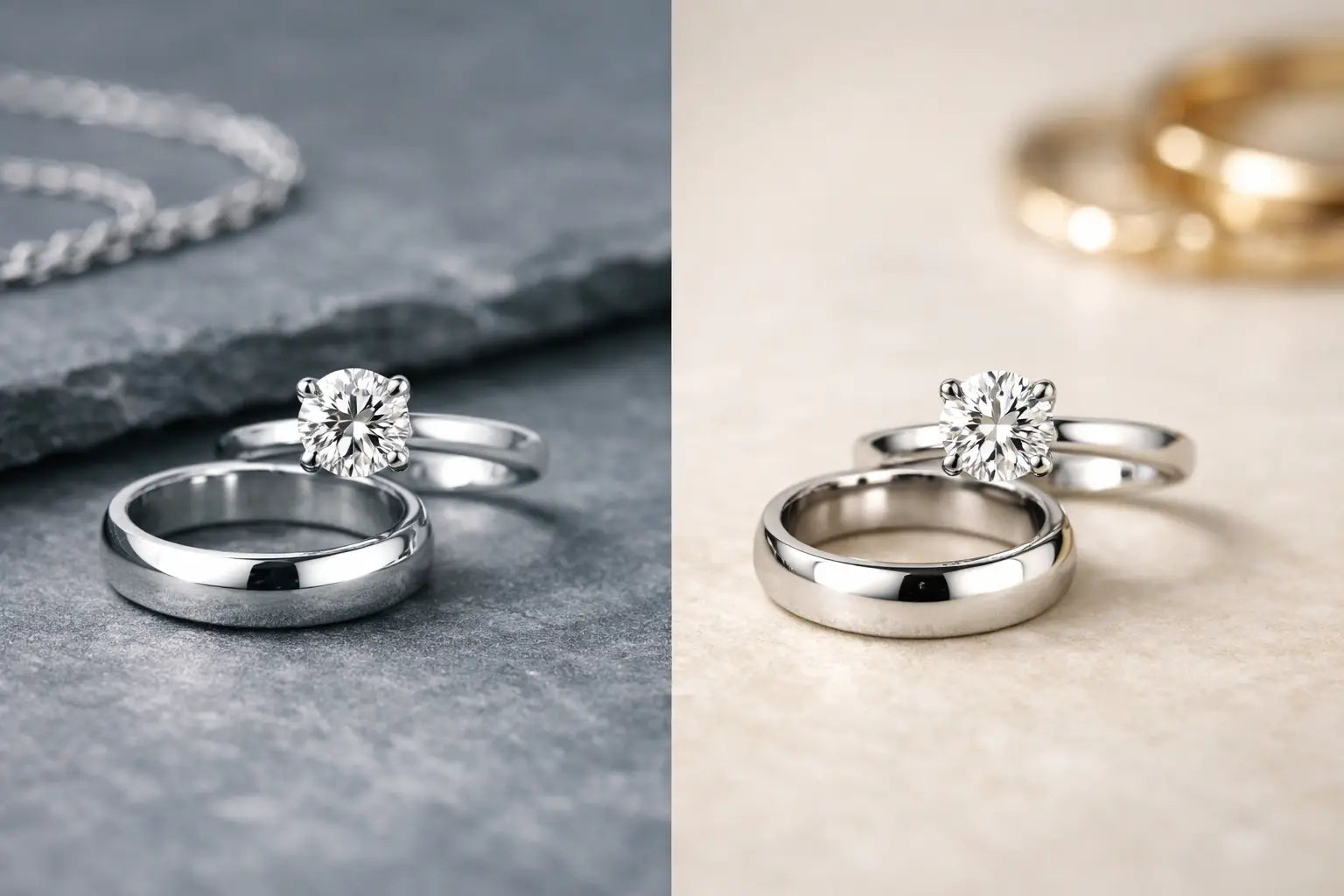
Gold remains the cornerstone of many collections, but not all gold serves the same purpose. 9ct gold offers strength and everyday practicality, making it a sensible choice for pieces that will see frequent wear. 18ct gold has a richer colour and a more elevated feel, often chosen when luxury finish and depth of tone are priorities. Platinum is naturally white, highly durable and especially favoured for bridal and diamond-set designs because of its strength and prestige. Sterling silver offers a bright, modern look and can be ideal for style-led pieces, though it generally requires more regular care than gold or platinum.
The right choice depends on what you value most. If you want a ring for constant wear, durability and long-term comfort matter greatly. If you are buying a pendant or earrings, weight and visual effect may lead the decision more than hardness. Metal colour matters too. Yellow gold tends to feel warm and classic, white tones more crisp and contemporary, while rose gold brings softness and a fashion-led edge.
Matching all your jewellery is not essential. Building a collection with intention often feels more sophisticated than trying to make every piece identical.
Diamonds, gemstones and what quality really means
For diamond jewellery, buyers often focus immediately on technical grading, and that information is useful, but the visual result is what you live with. A diamond should look lively, balanced and beautifully set within the design. The stone matters, but so does the craftsmanship around it.
Cut is often the detail that gives a diamond its presence. A well-cut stone reflects light with greater brilliance and can appear more striking than a larger stone with weaker proportions. Clarity and colour are relevant, though the right balance depends on the style of the piece and what is visible to the eye in normal wear. In earrings or pendants, different priorities may apply than in an engagement ring viewed at close range every day.
With gemstone jewellery, colour saturation, consistency and setting quality become particularly important. A vivid gemstone with character can be more compelling than a technically perfect stone that feels lifeless. This is where personal taste has a legitimate role. Fine jewellery is not purely a specification exercise.
Lab-grown and natural diamonds can both have a place depending on your preferences, values and the design brief. What matters is transparency, quality and whether the finished piece delivers the beauty and meaning you want.
Hallmarks, finishing and the signs of craftsmanship
A fine jewellery purchase should reward close attention. Beyond the headline features, craftsmanship reveals itself in smaller details: the smoothness of a shank, the symmetry of a setting, the neatness of claws, the polish of metal surfaces, the balance of a clasp, and the overall sense that the piece has been resolved rather than merely assembled.
Hallmarking is a key reassurance in the UK, confirming the precious metal content of the piece. It is not an ornamental extra. It is part of buying with confidence. Equally, accurate product information on materials, construction and dimensions helps you assess whether the piece matches your expectations.
If you are buying online, this layer of detail matters even more. Look closely at product descriptions, imagery and sizing guidance. Fine jewellery should be presented with clarity, not ambiguity.
When bespoke is the right choice
Sometimes the right piece does not yet exist in a standard collection. That is usually the moment to consider bespoke jewellery.
Custom design is particularly compelling for engagement rings, wedding bands, milestone gifts and pieces intended to mark a highly personal story. It allows you to shape the metal, stone, silhouette and detailing around your own taste rather than adapting your taste to what happens to be available. Bespoke also appeals to those who want jewellery that feels distinct rather than widely seen.
That said, bespoke is not always necessary. If a ready-to-wear design already expresses exactly what you want, there is elegance in choosing decisively. The bespoke route is most valuable when personalisation meaningfully improves the result, not simply for the sake of saying a piece is custom.
For many buyers, a concierge-style experience can make the process more assured. Expert guidance helps refine ideas, answer technical questions and bring clarity when the choice carries emotional weight.
Buying fine jewellery as a gift
Gifting fine jewellery requires a slightly different mindset. Personal taste becomes the central concern, and the best gifts feel observant rather than generic.
Notice what the recipient already wears. Do they lean towards yellow gold or silver-toned metals? Are their pieces delicate and layered, or cleaner and more architectural? Do they favour understated studs, bold hoops, fine chains or rings with more presence? These clues usually tell you more than asking broad questions ever will.
If the piece marks a major occasion, symbolism matters. Diamond jewellery often carries a sense of permanence and celebration, while initials, birthstones or bespoke design details add intimacy. The strongest jewellery gifts feel considered at first glance and even more thoughtful over time.
How to buy fine jewellery online
Buying online can be both efficient and luxurious when the experience is designed well. The advantage is access to breadth, detail and time to decide without pressure. The challenge is that you cannot handle the piece before purchase, so trust and presentation become central.
Prioritise retailers that provide clear imagery, precise specifications, hallmark information, sizing support and transparent service policies. Flexible payment options can also make a considered purchase easier to time, especially for milestone events. If the brand offers bespoke support or a jewellery concierge, that personal guidance can bridge the gap between digital browsing and informed decision-making.
For many modern buyers, this combination of curated design, practical clarity and expert support is exactly what makes the process feel refined rather than transactional. That is where a house such as Harper Kendall feels particularly relevant - not simply as a place to shop, but as a destination for crafted brilliance, personal expression and confident choice.
The best fine jewellery does more than complete a look. It becomes part of how you mark time, shape style and carry meaning, which is why the right purchase rarely feels loud - it simply feels unmistakably yours.