How to Design an Engagement Ring
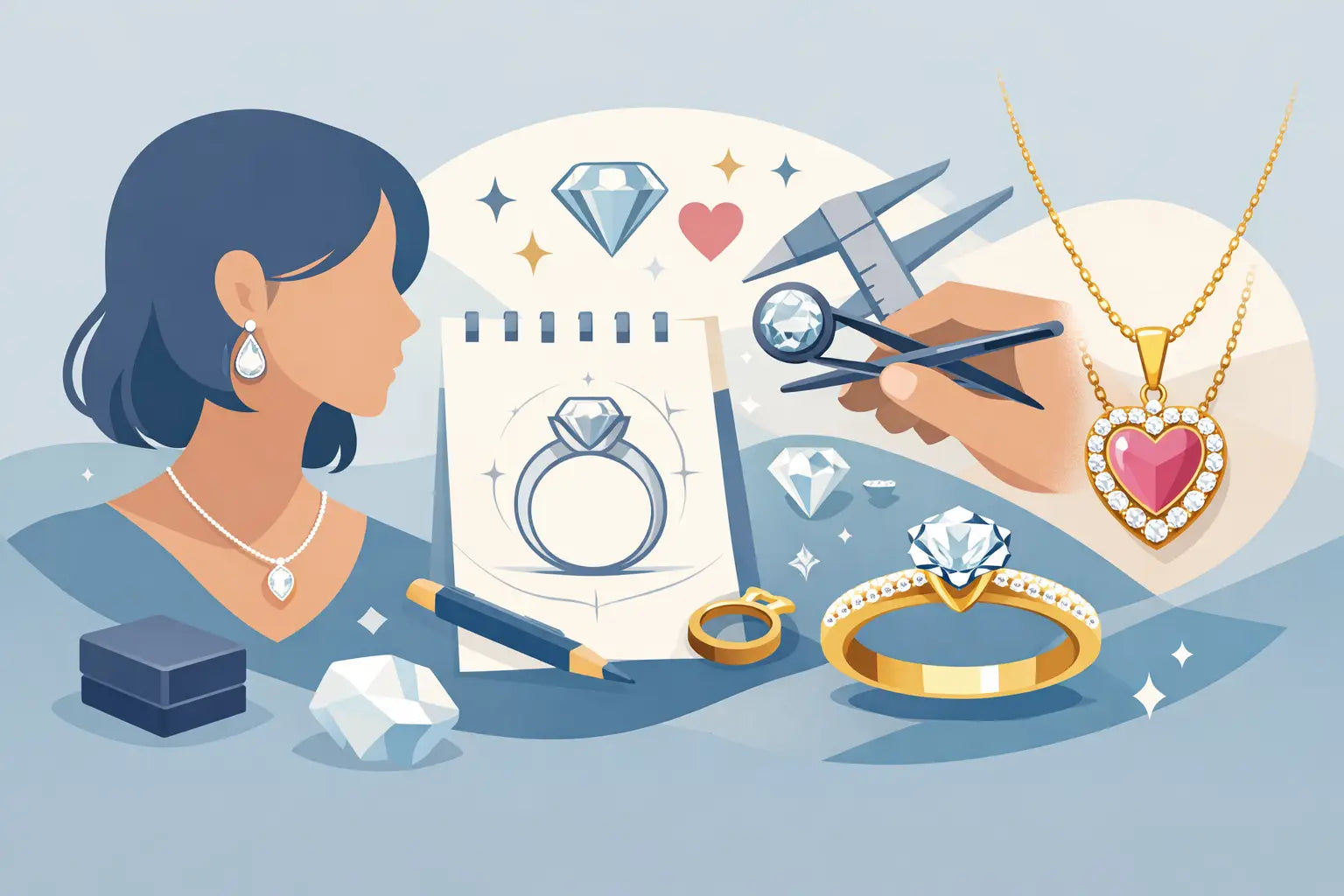
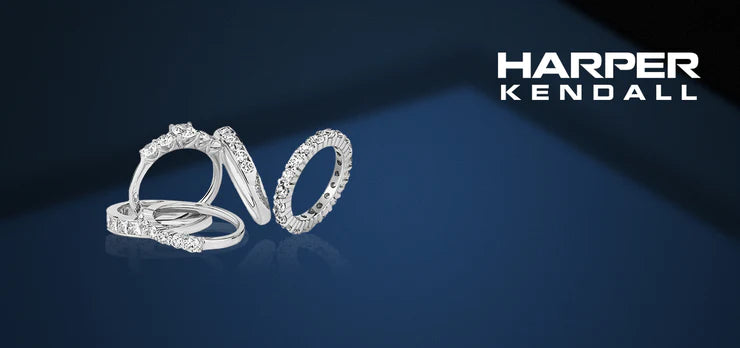
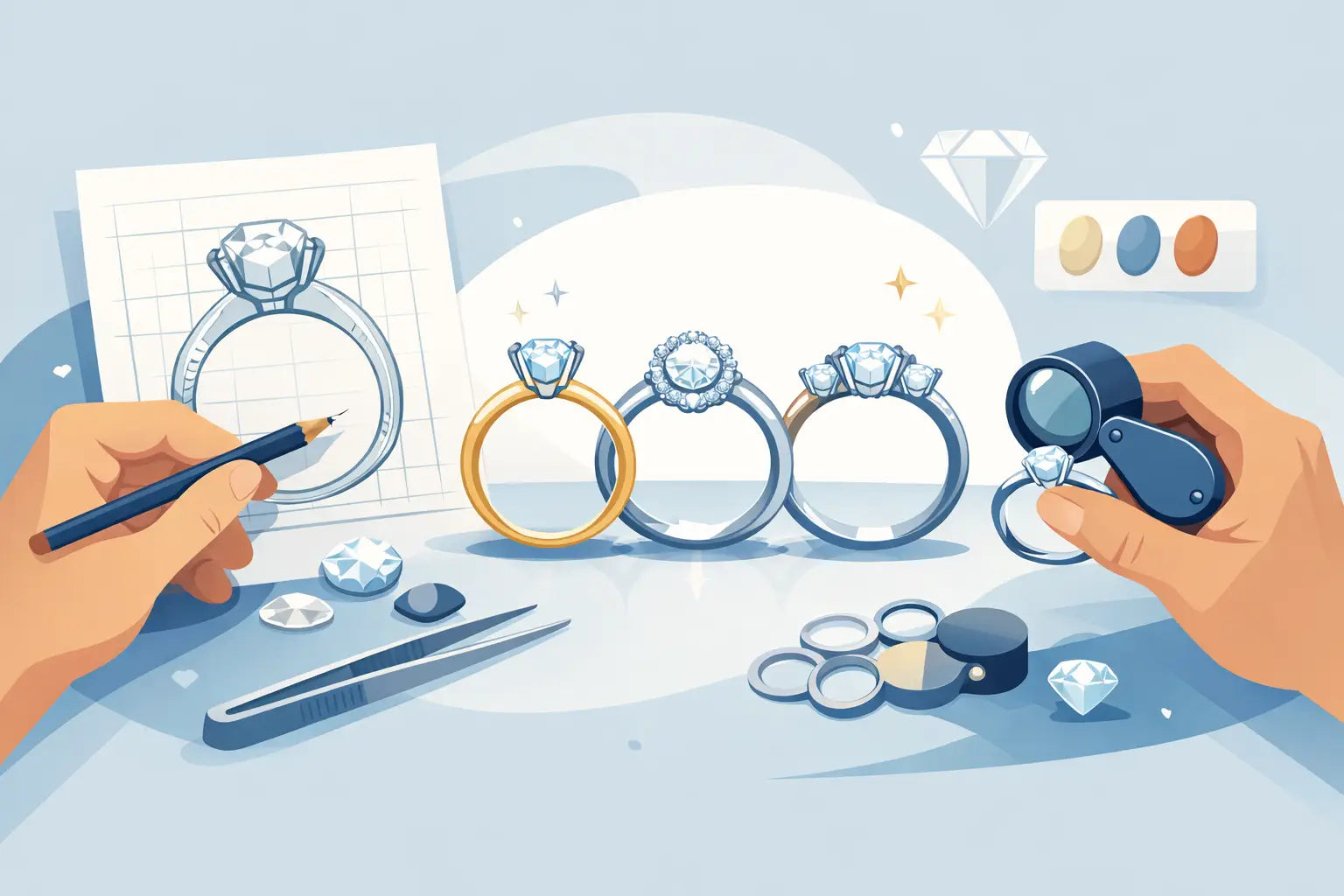
A beautifully designed engagement ring rarely begins with carat weight. It usually begins with a feeling - a sense of the wearer’s style, the life the ring will be part of, and the small design choices that make it feel unmistakably personal. If you are wondering how to design an engagement ring, the most successful approach is to balance sentiment with proportion, practicality with elegance, and individuality with enduring appeal.
Designing a ring from scratch can feel surprisingly intimate. You are not simply selecting a diamond and a band. You are shaping an object that will be worn daily, noticed often, and attached to one of life’s defining moments. That is precisely why the design stage matters. A thoughtful ring does more than sparkle well in a box. It looks right on the hand, suits the wearer’s wardrobe and lifestyle, and still feels refined years from now.
How to design an engagement ring with a clear vision
The first decision is not technical. It is aesthetic. Before looking at settings or specifications, consider the wearer’s taste with honesty. Some people are drawn to clean, minimal lines and would never feel comfortable in an ornate halo. Others want softness, vintage character or a more expressive silhouette. The most elegant custom rings feel aligned with the person wearing them, rather than built around trends alone.
A useful starting point is to look at the jewellery they already wear. Notice whether they favour yellow gold, white metals or mixed tones. Look at scale as well. Delicate chains, fine rings and understated earrings often suggest a preference for lighter, more refined proportions. If their style is bolder, a larger centre stone, sculptural setting or diamond-set band may feel more natural. This stage is less about copying existing pieces and more about recognising a design language.
It also helps to decide what kind of statement the ring should make. Some engagement rings are designed for classic permanence - think round brilliant diamonds, platinum claws and graceful simplicity. Others lean fashion-led, with elongated stones, east-west settings or unexpected side stone arrangements. Neither direction is better. It depends on whether the wearer wants timeless restraint, modern edge, or a balance of both.
Start with the centre stone
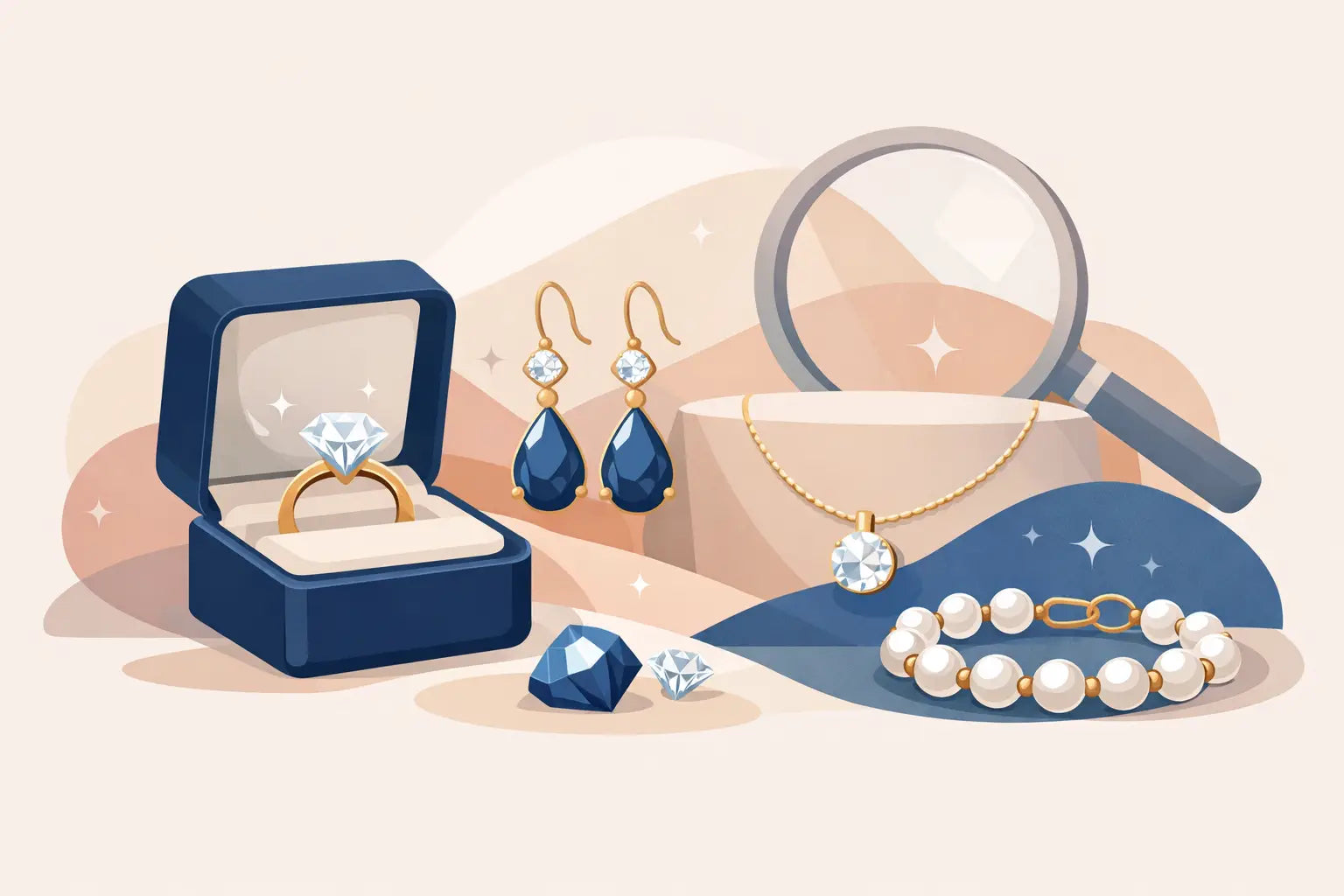
For most engagement rings, the centre stone sets the tone. Its shape influences everything around it, from the setting height to the proportions of the band. A round brilliant offers versatility and exceptional light return, which is why it remains a classic choice. Oval, pear and marquise cuts create a more elongated look on the finger and can feel especially elegant. Emerald and Asscher cuts bring a quieter, more architectural beauty that suits lovers of clean design.
This is where trade-offs begin. If maximum brilliance matters most, brilliant-cut shapes tend to deliver more sparkle. If you prefer crisp lines and a more understated kind of luxury, step-cut stones offer sophistication, though they can show inclusions more readily. Elongated shapes often appear larger for their carat weight, while round stones usually carry a higher price per carat.
Then there is the question of natural diamond, lab-grown diamond or coloured gemstone accents. A traditional white diamond remains the most familiar choice, but personal design can come through in subtler ways too - tapered side stones, hidden halos, or a coloured gemstone set inside the band. The key is cohesion. A ring should feel composed, not crowded with ideas.
Choose a setting that suits the wearer
Once the centre stone is chosen, the setting determines how the ring behaves in everyday life. Solitaire settings remain one of the most elegant options because they place full focus on the stone. They also allow flexibility with wedding band pairing and tend to age beautifully. If the goal is quiet luxury, this is often the right place to begin.
Halo settings create more presence and amplify sparkle, but they bring a different visual effect. They can make a centre stone appear larger and more decorative, though they may feel too detailed for someone with a minimalist eye. Trilogy rings carry symbolism and substance, offering a more balanced spread across the finger. Bezel settings feel contemporary and secure, particularly for active lifestyles, though they soften the traditional claw-set look.
This is where practicality matters. A high-set ring can be striking, allowing more light to enter the stone, but it may catch on knitwear or feel less comfortable for someone who uses their hands constantly. A lower-profile setting is often easier to wear every day. There is no universally correct answer - only the version of beauty that works in real life.
The band is not a secondary detail
The band shape and width quietly influence the whole design. A very fine band can make the centre stone stand out dramatically, but if it is too delicate for the overall ring style, the piece can feel visually unbalanced. A slightly broader band brings presence and durability, though it may look heavier than intended on smaller hands.
Court, flat and knife-edge bands all change the character of a ring. A court band feels classic and comfortable. A flat profile looks crisp and modern. A knife-edge introduces a more directional, fashion-led line. Diamond-set shoulders add brilliance, but a plain polished band often lets exceptional materials and craftsmanship speak more confidently.
Selecting the right metal
Metal choice affects both appearance and wear. Platinum is naturally white, durable and substantial in feel, making it a strong choice for engagement rings designed for lifelong wear. White gold offers a similarly bright look, often with a slightly different price point and finish. Yellow gold brings warmth and a rich, timeless character, particularly beautiful against certain skin tones and vintage-inspired designs. Rose gold feels softer and more contemporary, though it is a more specific style preference.
When deciding, think beyond current fashion. The best metal is usually the one that already appears in the wearer’s jewellery wardrobe. If they wear white metals every day, a yellow gold engagement ring may feel less intuitive, unless contrast is part of their style. If they love warmth and softness, yellow or rose gold can make the ring feel instantly more personal.
How to design an engagement ring around budget
A refined ring is not defined by spending without limit. It is defined by knowing where the money matters most. Budget should shape design decisions early, not as an afterthought. That allows you to prioritise the elements that will have the greatest visual and emotional impact.
For some, that means investing more heavily in the centre stone and keeping the setting beautifully simple. For others, it means choosing a slightly smaller diamond with excellent cut and setting it in platinum for a more elevated finished piece. You may decide that finger coverage matters more than carat weight, in which case an oval or pear shape can be a smart design choice. Or you may prefer a cleaner, higher-quality stone over extra embellishment.
There is elegance in restraint. A well-proportioned ring with a beautifully cut stone often looks more luxurious than a larger ring where quality or balance has been compromised.
Personal details that make the ring yours
The most memorable bespoke rings usually include a detail that is not obvious at first glance. It might be a hidden diamond beneath the centre stone, an engraving inside the band, a gallery with delicate architectural shaping, or side stones chosen for meaning rather than convention. These details give the ring intimacy.
That said, personalisation works best when it is selective. Too many decorative features can dilute the purity of the design. A ring should still feel coherent from every angle. The craftsmanship lies in editing as much as adding.
If you are designing with a partner, this can be an opportunity to create something that reflects shared taste rather than simply following what is expected. If the ring is a surprise, a bespoke design consultation can help turn observations into something polished and wearable. Harper Kendall’s concierge approach, for example, suits clients who want that balance of creative freedom and expert guidance.
Think about the wedding band now, not later
One of the most overlooked parts of engagement ring design is how it will sit alongside a wedding band. A dramatic setting may require a shaped or fitted band later, which can be beautiful, but it is worth deciding whether that appeals to you. If you want a flush fit with a classic straight band, the engagement ring should be designed with that in mind from the start.
This is also the moment to consider long-term wear. Engagement ring design should not end with the proposal. The ring needs to live well with future pieces, whether that means a plain wedding band, diamond eternity ring or stacked bridal look.
When to choose bespoke over ready-to-wear
Not every engagement ring needs to be fully bespoke. If you already know the preferred stone shape, metal and style, a ready-to-wear design may offer exactly the right balance of beauty and simplicity. Bespoke becomes especially valuable when you want to combine elements, refine proportions, include personal symbolism or create something that does not feel widely available.
The advantage of custom design is precision. You can adjust the width of the band, the setting height, the profile of the claws and the overall silhouette until the ring feels considered from every angle. That level of detail often makes the difference between a ring that is lovely and one that feels deeply right.
The best engagement rings do not try to be everything at once. They are edited, intentional and designed with the wearer at the centre. Begin there, trust proportion over excess, and the final piece will carry its own kind of brilliance long after the first unboxing.