Lab Grown vs Natural Diamonds
Choosing a diamond is rarely just about sparkle. When clients compare lab grown vs natural diamonds, they are often weighing emotion, design, symbolism and long-term value all at once. The right choice depends on what matters most to you - rarity, origin, budget, sentiment or the freedom to create a larger, more expressive piece.
Lab grown vs natural diamonds: what is the actual difference?
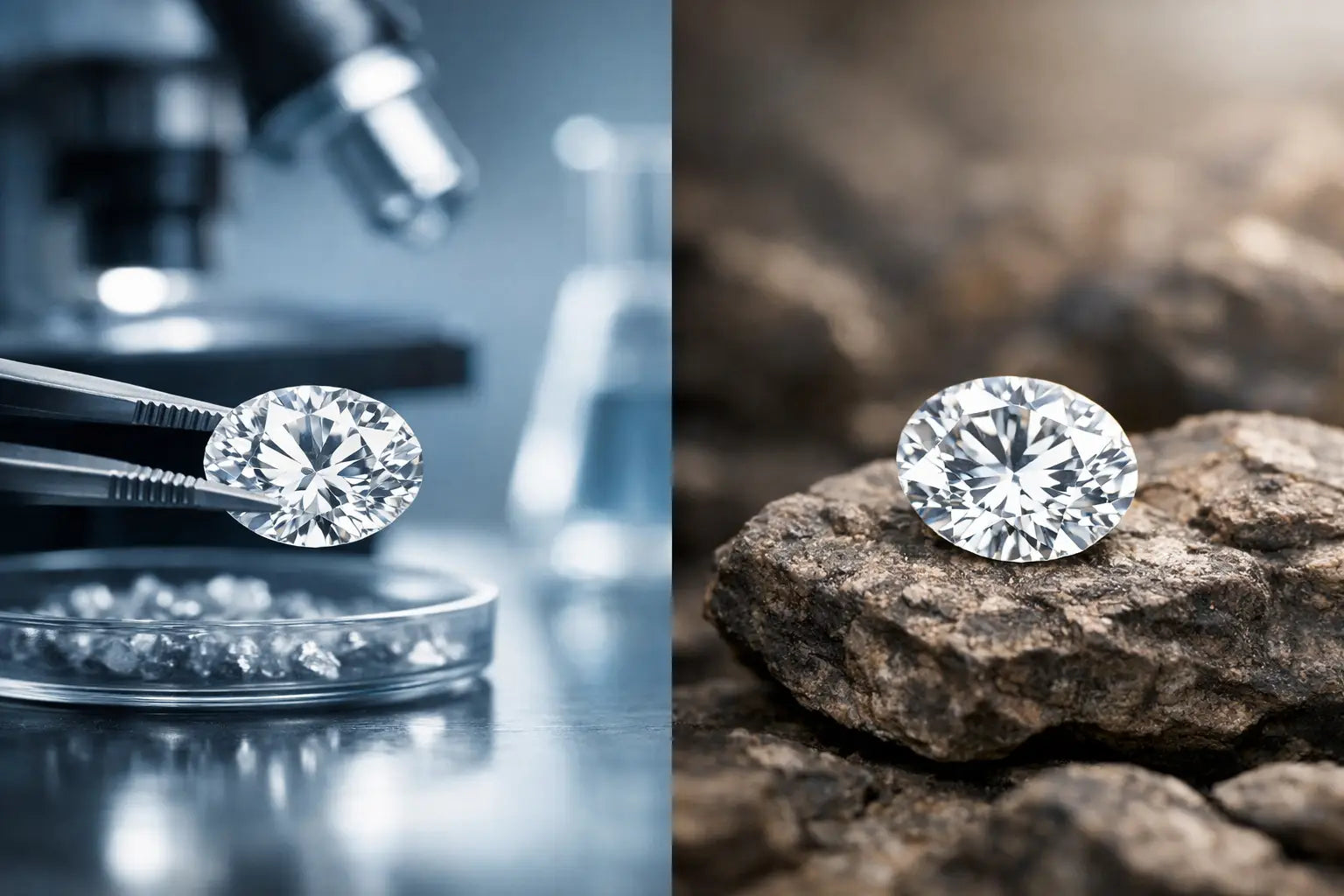
At a material level, very little separates them. Both are real diamonds, formed from crystallised carbon and graded for the same core qualities: cut, colour, clarity and carat. Both offer brilliance, durability and the unmistakable crisp light return that has made diamond jewellery a lasting classic.
The difference lies in origin. Natural diamonds are created beneath the earth over immense periods of time, then mined and cut for jewellery. Lab grown diamonds are produced in controlled conditions that replicate the environment in which diamonds form. They are not imitation stones, and they are not the same as cubic zirconia or moissanite. They are diamonds, simply with a different journey.
For many buyers, that journey matters. Jewellery is personal, and the story behind a stone can be just as meaningful as its physical beauty.
Why origin changes the way a diamond feels
Natural diamonds carry a sense of rarity that many people find deeply compelling. There is an enduring romance in wearing something shaped by the earth over billions of years. For engagement rings and milestone jewellery, that idea can feel powerful - almost ceremonial. A natural diamond often appeals to those who want their piece to reflect permanence, heritage and a certain timeless prestige.
Lab grown diamonds speak to a different kind of modern luxury. They suit buyers who prioritise visual impact, design scale and a more contemporary approach to fine jewellery. If your focus is achieving exceptional size or presence without compromising on diamond authenticity, lab grown can be an elegant choice. It offers freedom, especially for those commissioning bespoke jewellery or selecting a statement centre stone.
Neither perspective is more correct than the other. One is rooted in rarity and natural provenance, the other in innovation and design possibility.
Appearance: can you tell the difference?
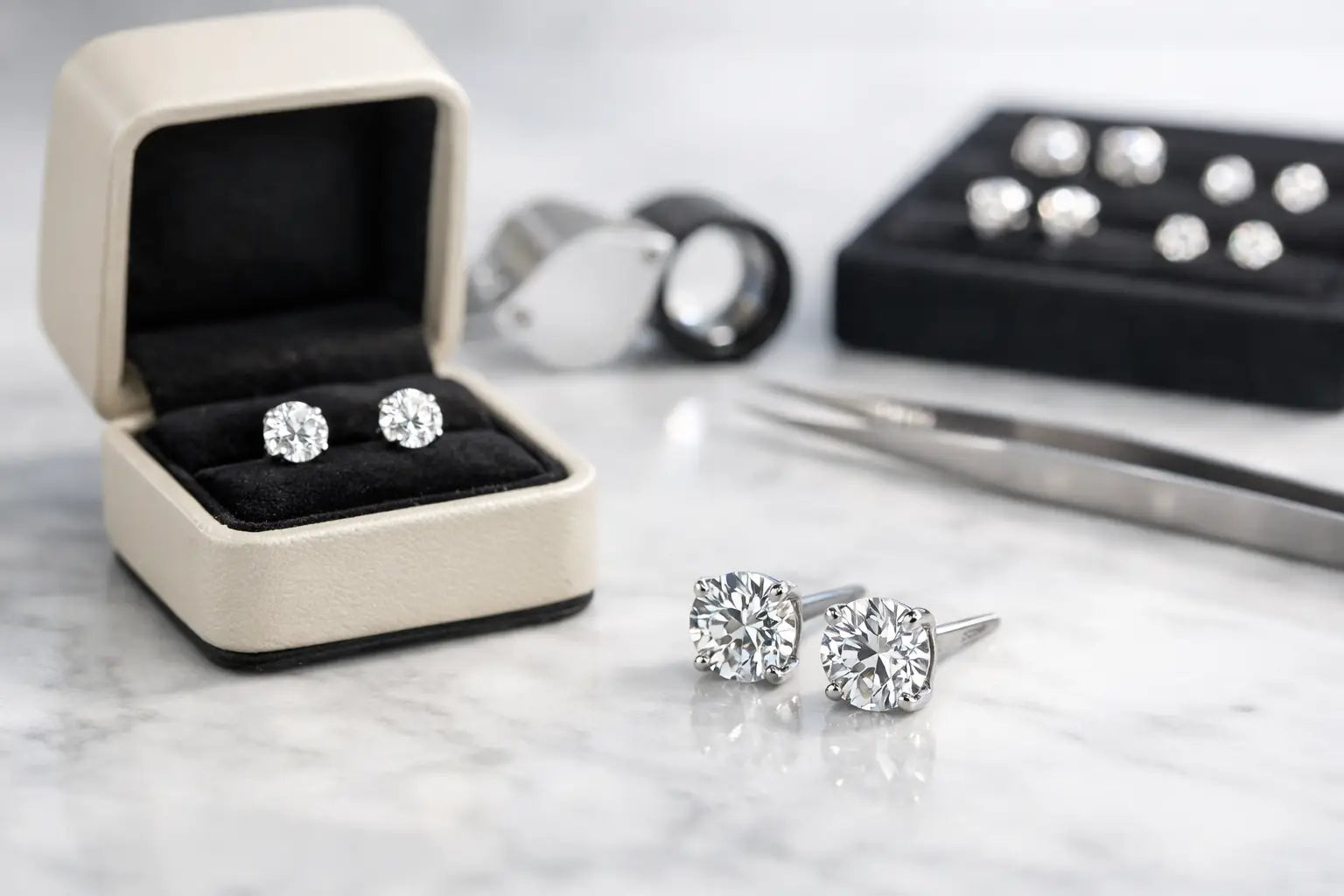
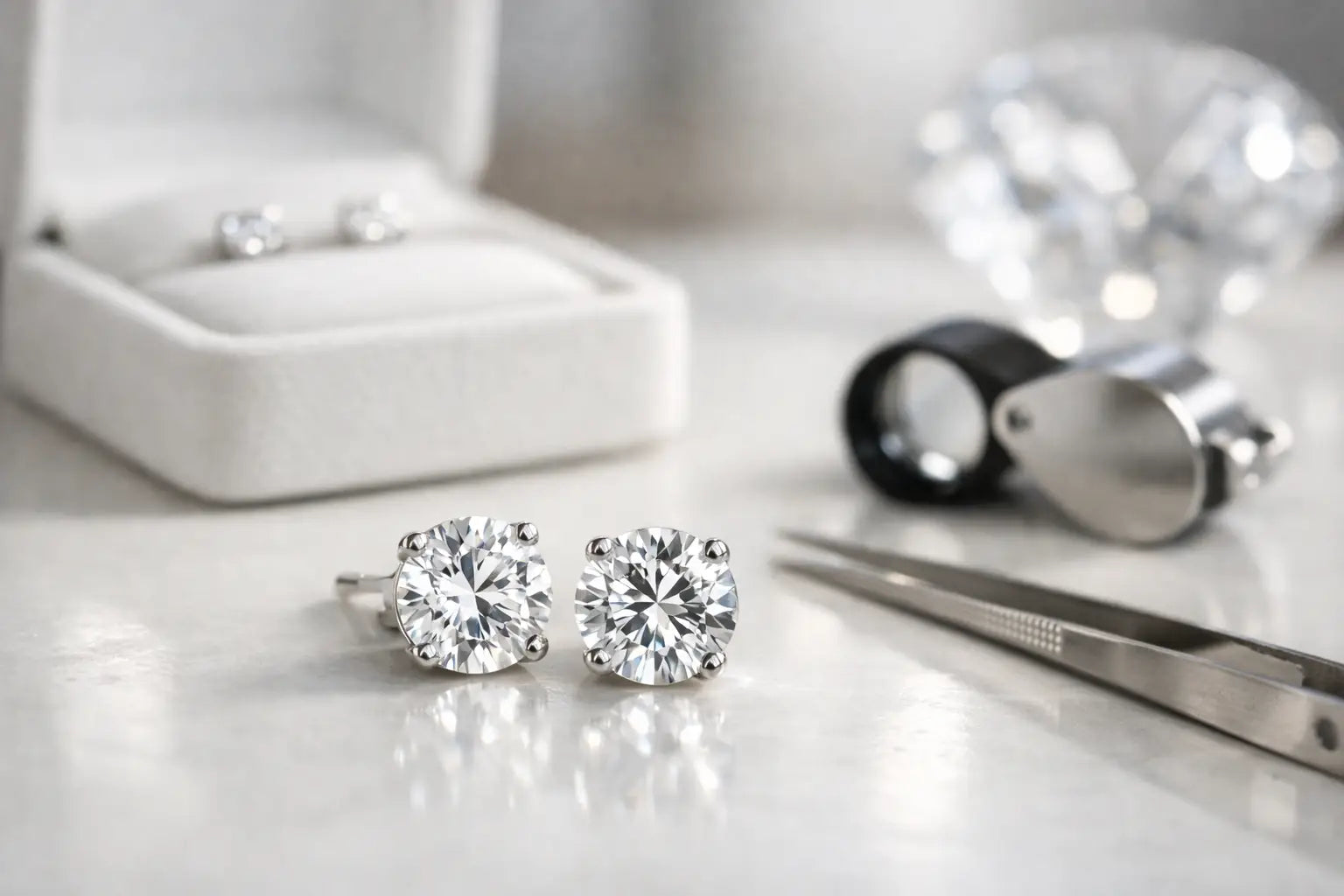
To the eye, a well-cut lab grown diamond and a well-cut natural diamond can look identical. Sparkle is driven far more by cut quality than by origin. A beautifully proportioned stone with excellent symmetry and polish will deliver the brightness and fire most people are looking for, whether it is lab grown or natural.
This is where many buyers can be pleasantly surprised. If your priority is how the finished ring, pendant or pair of earrings looks when worn, origin alone will not determine beauty. Shape, setting style, metal choice and craftsmanship all play a larger role in the overall impression.
That is particularly true in design-led jewellery. A refined solitaire, a modern east-west setting, a diamond line bracelet or a delicate halo pendant all rely on proportion and finish. The diamond matters, of course, but so does the way it is presented.
Value means different things to different buyers
One of the clearest distinctions in the lab grown vs natural diamonds conversation is price positioning, even though the choice should not be reduced to cost alone. Lab grown diamonds generally allow you to select a higher carat weight or stronger specification for the same overall spend. That can be very appealing if you want maximum visual presence or if you are designing a bespoke piece with ambitious proportions.
Natural diamonds, by contrast, tend to command a premium because of their scarcity and geological origin. For some buyers, that premium is part of the appeal. It reflects rarity in the traditional sense and supports the emotional significance of the purchase.
Value, then, is not one fixed idea. If you value size and design flexibility, lab grown may feel like the more rewarding option. If you value natural rarity and the enduring symbolism attached to it, a natural diamond may feel more aligned.
Rarity, tradition and emotional significance
Jewellery is often chosen at moments that become part of family history. Engagements, anniversaries, birthdays and personal milestones carry emotion that lasts well beyond the day itself. In that context, natural diamonds can hold a special resonance. Their age and rarity contribute to a sense of legacy, which is why they remain a classic choice for heirloom-minded buyers.
That said, lab grown diamonds are increasingly chosen for equally meaningful pieces. Modern luxury is not bound to old rules, and many couples now want a ring that reflects their current values and personal style rather than convention. A lab grown diamond can still mark a lifelong commitment with beauty and seriousness. The sentiment comes from the relationship and the craftsmanship of the piece, not only from where the stone originated.
Sustainability and conscience-led buying
Sustainability is often part of this discussion, though it deserves a balanced view. Some buyers are drawn to lab grown diamonds because they associate them with a more controlled production process and a contemporary supply chain. Others prefer natural diamonds sourced through trusted channels with clear standards and responsible practices.
This is an area where broad claims can oversimplify a complex subject. Environmental impact depends on how a diamond is produced, processed and transported, whether lab grown or natural. If sustainability is central to your decision, the most sensible approach is to ask detailed questions about sourcing, certification and production standards rather than rely on assumptions.
Luxury today is increasingly informed, and confident buying comes from clarity.
Which works best for engagement rings?
There is no universal answer, only the answer that suits your priorities. Natural diamonds remain the traditional benchmark for engagement rings because of their rarity, prestige and enduring desirability. They are often favoured by those who want a classic piece with strong sentimental and symbolic weight.
Lab grown diamonds are an excellent option for buyers who want a larger centre stone, a more intricate setting or a highly tailored design while keeping the overall investment more flexible. They are especially attractive in styles where scale is part of the statement - elongated ovals, emerald cuts, hidden halos and three-stone rings, for instance.
The key is to think beyond the stone alone. Consider how the ring will be worn daily, what aesthetic feels most like you, and whether you are drawn more to tradition or to creative freedom. At Harper Kendall, that design conversation matters just as much as the technical one.
Lab grown vs natural diamonds in everyday jewellery
For earrings, pendants, tennis bracelets and fashion-led diamond pieces, lab grown diamonds can be particularly appealing. They make it easier to achieve generous carat weight and strong visual uniformity across multiple stones, which suits modern fine jewellery beautifully. If your aim is luminous everyday luxury, lab grown offers versatility without compromising elegance.
Natural diamonds remain highly desirable in these categories as well, especially for collectors and those building a fine jewellery wardrobe with an eye on classic materials and lasting prestige. A natural diamond rivière necklace or pair of timeless studs carries a certain quiet authority that many clients value.
Again, it depends on what you want the piece to say. Bold modern brilliance or classic rarity - both can be exquisite.
What to prioritise when choosing
Rather than starting with origin, start with intention. Ask yourself what this diamond is for and how you want it to feel. Is it a once-in-a-lifetime purchase that should honour tradition? Is it a self-gift chosen for style and impact? Is it a bespoke design where scale, shape and balance are central to the vision?
Once that is clear, pay close attention to cut. A superb cut will do more for a diamond’s beauty than chasing carat weight alone. Then consider the setting, the metal and the overall design language. A diamond does not exist in isolation. It becomes jewellery through craftsmanship, and that is where personality comes in.
There is also room for nuance within your own collection. You may choose a natural diamond for an engagement ring and lab grown diamonds for fashion pieces, or the reverse. Fine jewellery need not follow a single rulebook.
The most compelling choice is the one that feels aligned with your style, your values and the story you want your jewellery to tell. When a diamond is chosen with intention and set with artistry, its brilliance goes far beyond the surface.