
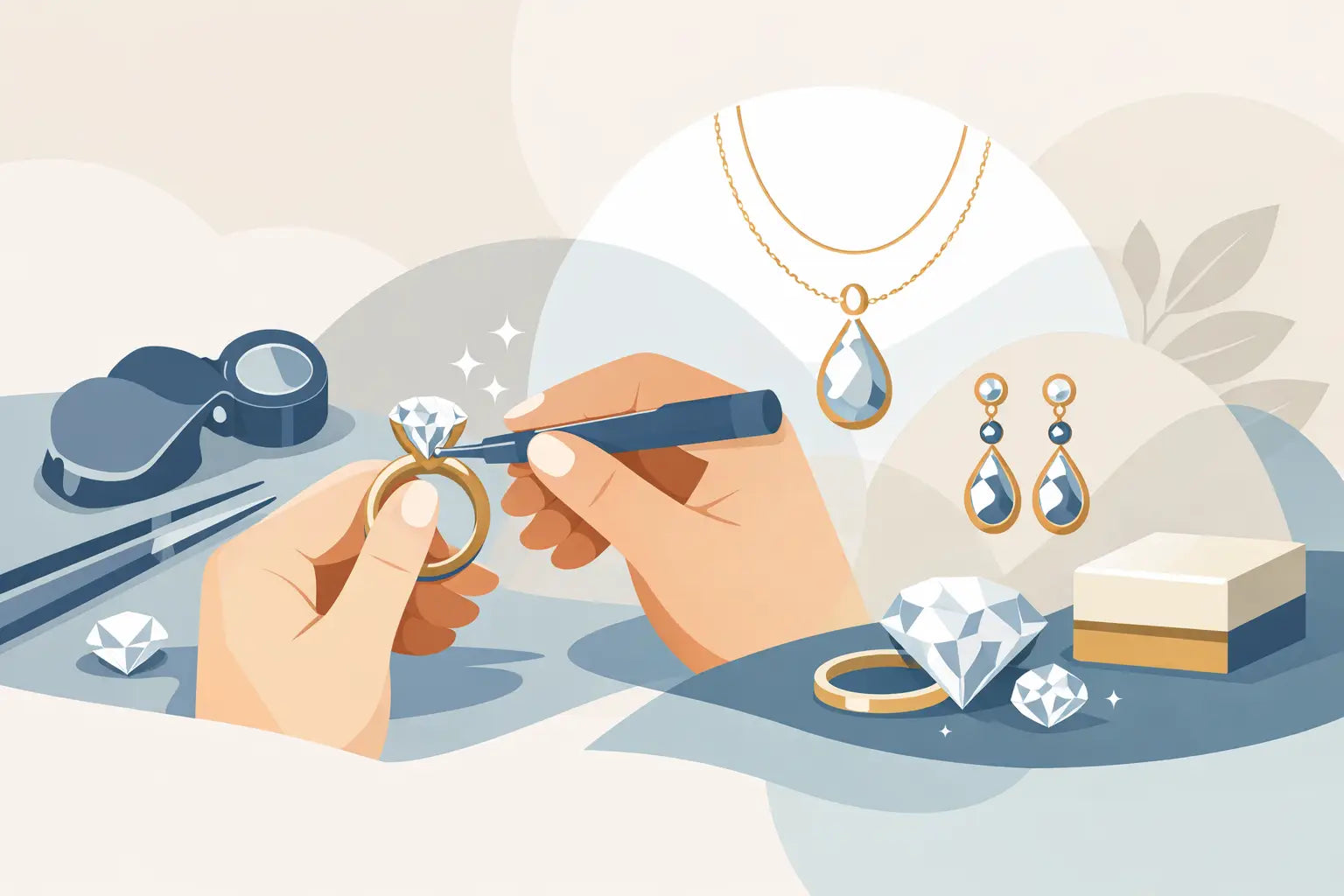
What Fine Jewellery Craftsmanship Means
A ring can catch the light beautifully in a photograph and still feel underwhelming in the hand. The difference is often fine jewellery craftsmanship - the quiet precision behind the weight, balance, finish and setting that turns precious materials into something genuinely lasting.
For anyone buying jewellery as a personal signature, a milestone gift or a future heirloom, craftsmanship matters far beyond appearance. It determines how a clasp closes after years of wear, how securely a diamond sits in its setting, and whether a gold band feels refined rather than merely expensive. In fine jewellery, design begins the story, but workmanship is what gives it permanence.
Why fine jewellery craftsmanship matters
Precious metals and diamonds carry value on their own, but raw materials are only part of the picture. A beautifully cut stone can lose its impact in a clumsy setting. Rich 18ct gold can feel less luxurious if the finishing is uneven or the proportions are heavy where they should be elegant. Fine jewellery craftsmanship is what brings harmony to every element.
This is especially important when a piece is intended for regular wear. An engagement ring, wedding band, chain or pair of earrings has to do more than look polished on arrival. It should be comfortable, secure and visually balanced over time. Good craftsmanship supports daily wear without compromising sophistication.
There is also an emotional layer to consider. Jewellery often marks moments that deserve more than a passing trend - an anniversary, a proposal, a personal achievement or a gift chosen with real thought. In those cases, the making of the piece matters almost as much as the piece itself. Careful workmanship gives emotional purchases the substance they deserve.
The details that define quality
When people speak about craftsmanship, they often mean a general sense of excellence. In reality, it comes down to a series of highly specific choices and techniques.
Metalwork and proportion
The first sign of quality is often proportion. A pendant should sit cleanly on the chain. A ring should feel smooth between the fingers, with a shank thickness that supports the design rather than thinning it for the sake of cost. Earrings should be substantial enough to feel premium, but not so heavy that they become uncomfortable.
Metal choice plays a role here. Sterling silver, 9ct gold, 18ct gold and platinum each have different properties, and fine makers design with those differences in mind. Platinum allows for impressive durability and a naturally white finish, while 18ct gold offers richness of tone and a luxurious feel. 9ct gold can be a practical choice for everyday wear, particularly when a customer wants precious metal quality with greater affordability. The point is not that one is universally better than another - it depends on the style of the piece, how often it will be worn and the balance between budget and longevity.
Stone setting
Stone setting is where artistry and technical skill meet most visibly. The setting must protect the stone, flatter it and allow light to work in its favour. Prongs need to be even and secure. A bezel should frame the stone cleanly without making it feel boxed in. Pavé work should look delicate, but never fragile.
This is one area where shortcuts show quickly. Poorly finished settings can snag on clothing, sit unevenly or leave stones vulnerable to movement. In diamond jewellery especially, precision is non-negotiable. The brilliance of the stones relies not only on their quality, but on how confidently and elegantly they are set.
Surface finish and polish
A polished finish should look intentional, not overworked. The surface of a bracelet, bangle or ring should reflect light evenly, with edges softened where comfort matters and sharper lines preserved where the design calls for definition. Satin and brushed finishes require just as much discipline. They should appear refined and consistent, never dull.
These final touches are often underestimated, yet they shape the whole impression of a piece. Fine jewellery should feel resolved from every angle, including the parts only the wearer is likely to notice.
Craftsmanship and design are inseparable
A strong design can make a first impression. Craftsmanship determines whether that impression lasts.
This is particularly true in modern fine jewellery, where customers often want versatility as well as luxury. A necklace may need to layer elegantly during the day and hold its own in the evening. A diamond ring may need to feel timeless, but not predictable. A signet ring or chain may carry a bolder, fashion-led edge while still feeling enduring rather than seasonal.
That balance requires more than trend awareness. It takes design judgement grounded in making. Proportions, metal weight, setting style and finishing all need to support the intended look and the intended lifestyle. The most successful pieces rarely shout about the effort behind them. They simply feel right when worn.
What to look for when buying
For a customer, craftsmanship can seem difficult to judge online, yet there are meaningful indicators. Clear information about metals, hallmarks and stone setting is one. Attention to silhouette is another. Pieces with thoughtful proportions and a considered finish tend to reveal themselves even through imagery.
It is also worth looking at whether a brand understands jewellery beyond surface styling. The strongest fine jewellery houses speak confidently about materials, wearability and construction, not just aesthetics. They recognise that a ring worn daily needs different considerations from an occasional pendant, and that bespoke commissions require a deeper level of design support than ready-to-wear shopping.
If you are choosing a significant piece, ask practical questions. How will the metal wear over time? Is the setting suited to everyday use? Will the scale of the piece match how you plan to wear it? Luxury should feel effortless, but the decision behind it benefits from clarity.
Fine jewellery craftsmanship in bespoke design
Bespoke work is where craftsmanship becomes especially personal. Rather than selecting a finished design, the customer becomes part of the creative process - shaping the stone choice, metal, setting style and overall character of the piece.
This level of custom work demands more than technical ability. It requires listening well, translating ideas into proportion and detail, and guiding decisions with confidence. Some designs are visually striking in concept but less practical in wear. Others become stronger through subtle refinement - a lower setting for comfort, a different band profile, a cleaner stone arrangement, a more considered finish.
That is the value of expert guidance. Bespoke jewellery should feel expressive, but never improvised. When craftsmanship leads the process, the result is a piece that captures individuality without sacrificing elegance or longevity.
For engagement rings and wedding bands in particular, this matters enormously. These are pieces worn not for one evening, but for years. Their beauty has to work alongside comfort, resilience and timelessness. The best bespoke outcomes achieve all three.
The luxury of longevity
One of the strongest arguments for craftsmanship is also one of the least flashy - durability. Fine jewellery should reward long-term ownership. It should age with grace, maintain its structure and continue to feel relevant in a changing wardrobe.
That does not mean every piece must be traditional. Contemporary styling and craftsmanship are not at odds. In fact, modern fine jewellery often benefits most from excellent making, because cleaner lines and more minimal forms leave little room to hide weak execution. If the setting is slightly off or the polish inconsistent, it shows.
A well-crafted piece also tends to be more versatile. It moves more easily between occasions, works across seasons and feels convincing whether worn alone or layered. That versatility adds real value, especially for customers building a jewellery wardrobe rather than buying only for a single event.
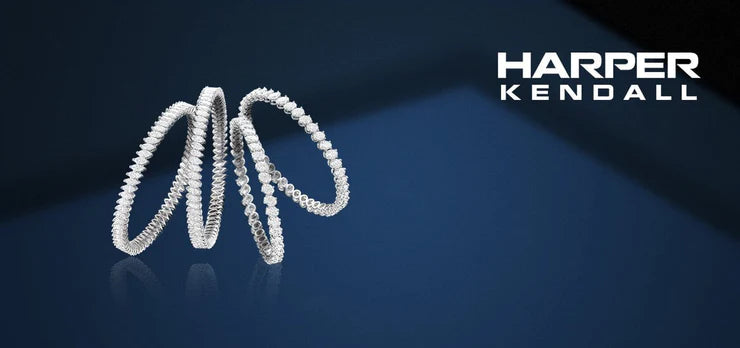
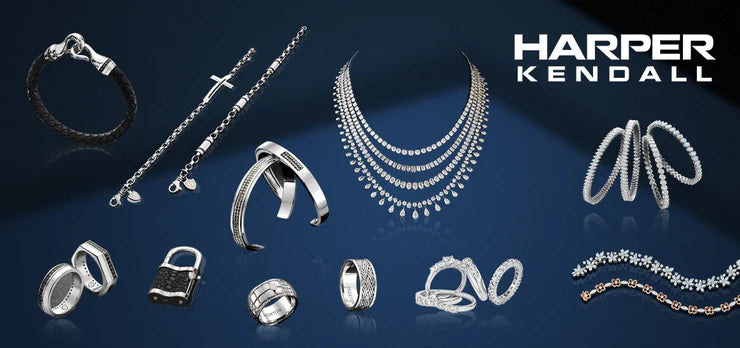
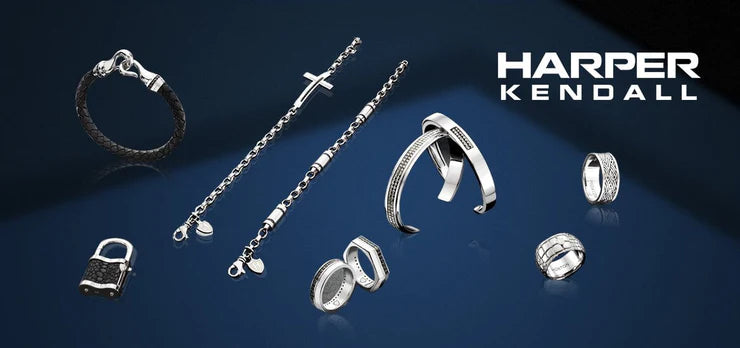
Harper Kendall reflects this balance beautifully - offering fine jewellery that feels design-led and personal, while keeping craftsmanship at the centre of the experience.
A more confident way to choose jewellery
The appeal of fine jewellery is never just about ownership. It is about wearing something with intention - something chosen for its design, its materials and the standard to which it has been made. Fine jewellery craftsmanship gives a piece that sense of certainty.
When you understand what sits behind the sparkle, you buy differently. You notice the precision of a setting, the comfort of a band, the confidence of a clasp, the polish on the reverse as well as the front. And that is where true luxury begins - not in excess, but in the care taken to create something worthy of being worn for years.