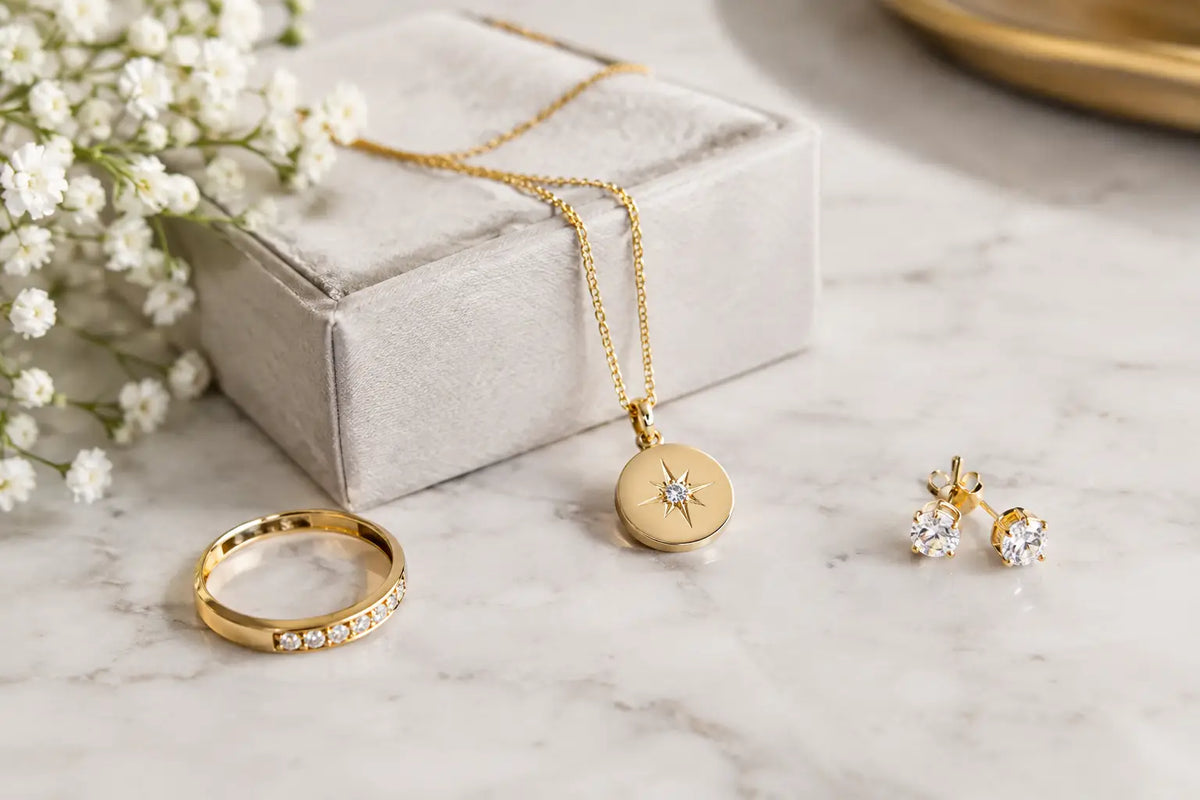
The Guide to Personalised Fine Jewellery
A piece of jewellery becomes truly memorable when it carries more than visual appeal. It might hold the date of a wedding, the birthstone of a child, a private message, or a design detail that feels unmistakably yours. This guide to personalised fine jewellery is for choosing those details with confidence, so the finished piece feels considered now and remains a pleasure to wear for years to come.
Personalisation need not mean adding every possible element. The most elegant bespoke pieces are usually guided by one clear idea: a person, a place, a promise, or a moment worth marking. From there, the design can become beautifully precise.
What makes fine jewellery personal?
Personalised fine jewellery begins with meaning, but it succeeds through proportion, material and craftsmanship. A delicate initial pendant can become an everyday signature. An engraved wedding band can carry a message known only to the two people wearing it. A ring designed around an inherited diamond can give a familiar stone a strikingly contemporary life.
There is no single route to a personal piece. Some designs are visibly individual, such as a name necklace, signet ring or birthstone bracelet. Others are quieter: the choice of an unusual diamond setting, a sculpted band profile, or a gemstone selected for its particular colour. Both approaches can feel deeply personal. The decision depends on whether you want the story to be immediately seen or subtly held within the design.
Fine jewellery is particularly suited to this kind of expression because precious metals and well-set stones are made for longevity. Rather than a passing novelty, the right piece can become part of your daily wardrobe, a future heirloom, or the defining gift for a milestone.
Start with the occasion, then the wearer
Before considering carat weight or gemstone shape, consider how the jewellery will live. An engagement ring has different practical demands from a pendant worn close to the heart, while a bracelet chosen for a landmark birthday should reflect the recipient's existing style as much as the occasion itself.
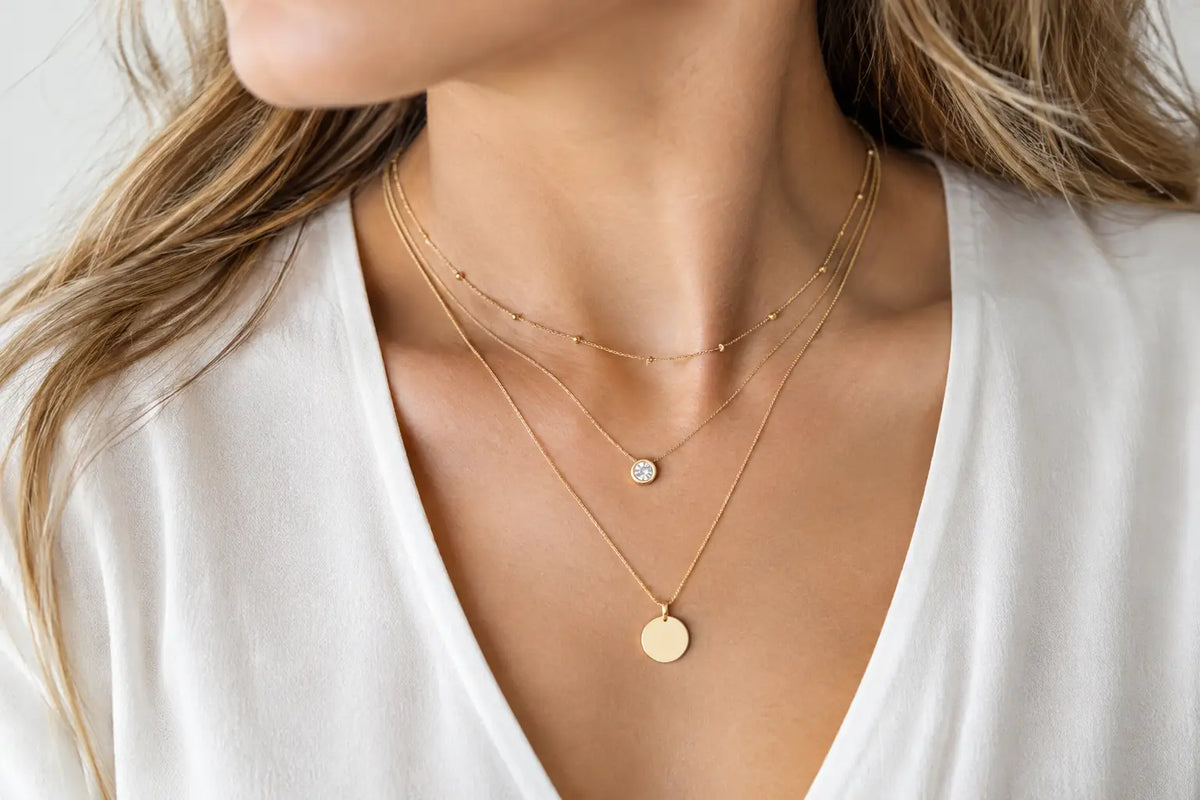
Think about what they wear most often. Someone drawn to clean tailoring and understated accessories may prefer a fine gold chain with a discreet engraved disc, a single diamond, or a polished signet. A wearer with a more expressive eye may enjoy a vivid gemstone, a mixed-metal design, or a ring with an architectural silhouette.
Lifestyle matters as much as aesthetic preference. Rings and bangles encounter the most daily contact, so low-profile settings, durable metals and carefully chosen stone cuts can make a substantial difference. A high-set diamond may have exceptional presence, but a bezel or lower claw setting can be a more practical choice for hands-on routines. Personalisation is at its best when it honours real life, not just the moment of presentation.
Meaningful ways to personalise a design
Engraving remains one of the most enduring options. Initials, a date, a set of coordinates, a short phrase or even a small symbol can transform an otherwise minimal piece. Keep scale in mind: a narrow ring shank may suit initials or a date, while the reverse of a pendant or a signet face can accommodate a little more detail.
Birthstones offer another expressive route, especially for family jewellery. A single stone can represent the wearer, while several stones can mark children, partners or meaningful months. The strongest designs do not simply arrange stones in calendar order. Consider colour harmony, stone size and how the piece will be worn. A jeweller can help translate a sentimental idea into a balanced composition.
You might also personalise through form. A favourite letter, an abstract motif, an engraved fingerprint, a hand-drawn sketch or a reimagined family jewel can become the starting point for a one-of-a-kind design. This is where bespoke jewellery offers its greatest freedom: the story shapes the piece, rather than being added at the end.
Choosing the metal for personalised fine jewellery
Metal sets the visual mood and influences how a piece wears over time. Yellow gold has a rich, classic warmth that complements engraving and coloured gemstones particularly well. White gold offers a cooler, refined finish that allows diamonds to take centre stage. Rose gold brings a soft, romantic tone and can make an initial or sculptural detail feel especially distinctive.
For everyday designs, 9ct gold offers strength and a considered entry into precious jewellery, while 18ct gold has a richer gold content and a more sumptuous colour. The best choice is not simply a question of appearance. Consider the intended frequency of wear, the design’s delicacy and the feel you want the piece to have in the hand.
Platinum is naturally white, substantial and exceptionally durable, making it a distinguished choice for rings designed to be worn continuously, particularly diamond engagement rings and wedding bands. Sterling silver has a bright, modern character and suits many personalised designs, though it benefits from thoughtful care to maintain its finish. If a piece is intended as a lifetime marker, choosing a metal with that future in mind is part of the design decision.
Select gemstones for beauty and durability
Diamonds remain a natural choice for personalised jewellery because they combine brilliance with remarkable durability. They can mark an anniversary, frame an engraved motif or add a discreet point of light to a pendant, bracelet or ring. Yet diamonds are not the only meaningful option.
Sapphires, rubies and emeralds bring colour and symbolism, while other gemstones can create a more individual palette. A birthstone may be emotionally significant, but suitability should be assessed alongside sentiment. Some stones are better suited to earrings and pendants than rings that receive regular knocks. Likewise, a pale stone may need a setting that protects it and allows sufficient light to show its beauty.
The cut and setting are as influential as the stone itself. A round brilliant diamond feels timeless and radiant; an oval can lengthen the look of the finger; an emerald cut creates crisp, elegant lines. Claw settings create lightness and visibility, whereas bezel settings offer a sleek outline and greater protection. The most beautiful choice is the one that suits both the wearer and the life of the piece.
From idea to bespoke piece
A bespoke commission is often less mysterious than it first appears. Begin with a clear sense of purpose, a few visual references and any non-negotiable details, such as a particular metal, inherited stone or engraving. A jewellery concierge can then help refine the concept into a design that is practical, proportioned and distinctively personal.
This process is especially valuable when reworking existing jewellery. An unworn ring or inherited stone can carry considerable emotional value, but it may not suit your style in its original form. Resetting it into a pendant, a modern signet ring or a diamond-set band can preserve the sentiment while making the jewellery genuinely wearable again. Before remodelling, ask how the original materials will be assessed and whether every element can be incorporated. Sometimes a complete transformation is possible; sometimes preserving one meaningful detail is the more elegant result.
At Harper Kendall, bespoke support can bring clarity to these decisions, whether you are beginning with a loose idea or a stone with a family story. The purpose is not to overcomplicate the design, but to ensure each choice has a reason.
Consider proportion, sizing and future wear
A personalised piece should be designed for the long view. For rings, accurate sizing is essential, particularly for wider bands that can feel more snug than a fine band of the same size. If the design includes a full circle of stones or an intricate engraved pattern, resizing may be more limited, so it is worth resolving fit before finalising the piece.
Necklace length affects both appearance and sentiment. A short chain places a pendant close to the collarbone, while a longer length creates a more relaxed, layered effect. For initial pendants and lockets, think about whether the piece will be worn alone or with other chains. A design that appears perfect in isolation may need a different scale to sit comfortably within a jewellery wardrobe.
Future versatility deserves consideration too. A detachable pendant, stackable ring or bracelet designed to sit alongside existing pieces gives a gift room to evolve with its wearer. Personal does not have to mean precious in the sense of untouchable. The finest pieces invite wear.
Care is part of the story
Personalised fine jewellery earns its character through use, but regular care protects the details that make it special. Remove rings and bracelets for heavy manual tasks, store pieces separately to reduce scratching, and arrange professional checks for settings that hold valuable stones. Engraving may soften gently with decades of wear, which can be part of its charm, but thoughtful maintenance will preserve clarity and polish.
Choose the personal detail that still feels true when the occasion has passed. A well-made piece should not live only in its box or only in a photograph. It should feel like yours each time you reach for it.